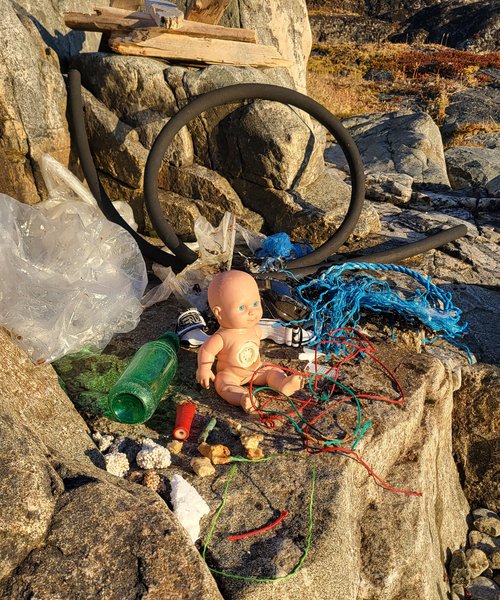
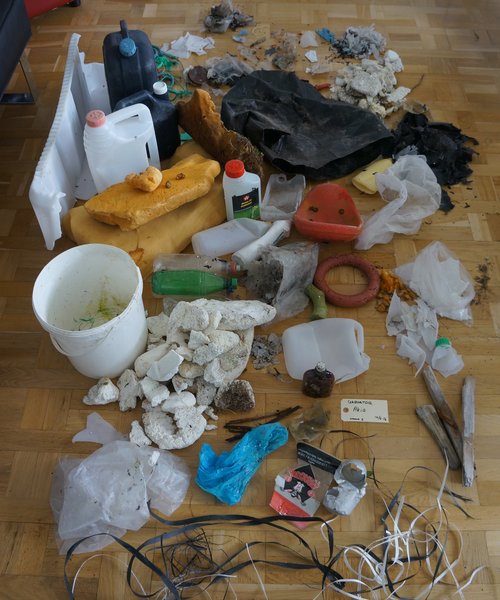
SUMAG6 is the latest step in a multi-year effort to investigate and monitor marine litter in Greenland and the North Atlantic region. Since 2016, the project has been investigating the occurrence, context and development of plastic and other litter on selected reference coasts, examining plastic intake in the seabird Northern fulmar, and has recently begun to provide monitoring data for marine litter on beaches in the Faroe Islands.
Through systematic studies in 2025–2026, SUMAG6 will contribute new knowledge about sources, quantities, transport routes and environmental impacts of marine litter in the Arctic. The data is included in both national and international collaborations under AMAP, OSPAR, the EU and the Nordic Council of Ministers and helps to strengthen the basis for decision-making on future environmental management in the region.
The project is being carried out in close collaboration with local partners in Greenland and the Faroe Islands and is a key contribution to understanding how global and local pollution flows affect the Arctic marine environment.
The project is funded by the Danish Environmental Protection Agency as environmental support for the Arctic.
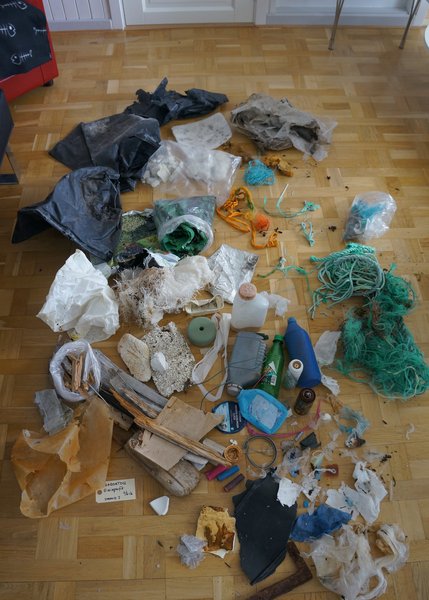
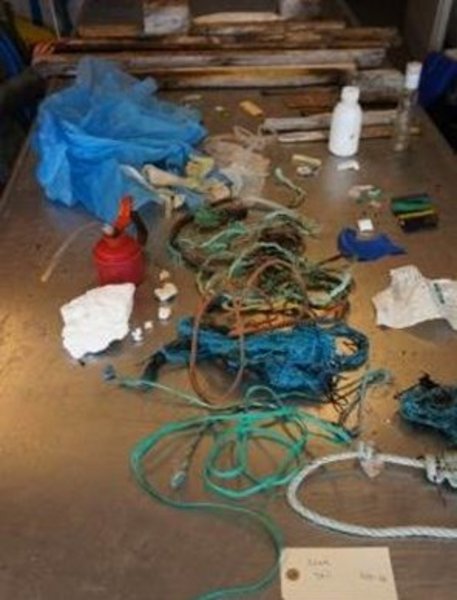
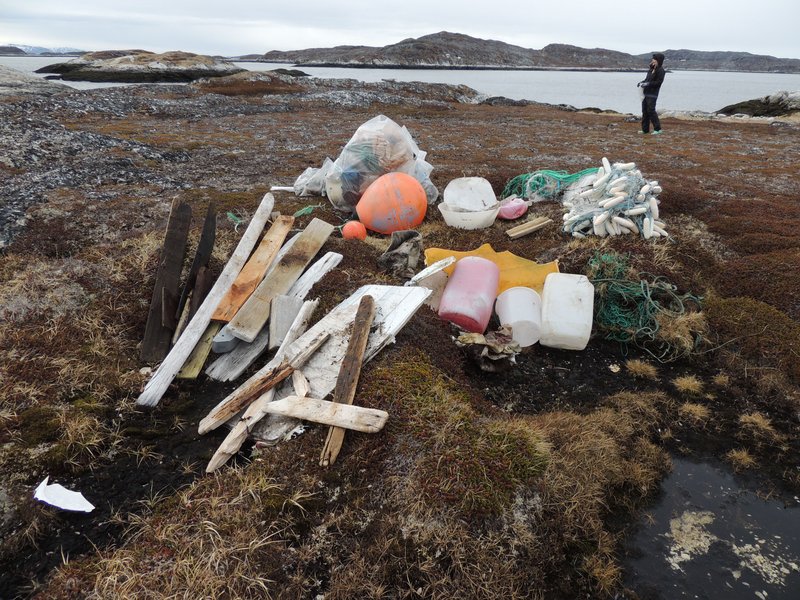
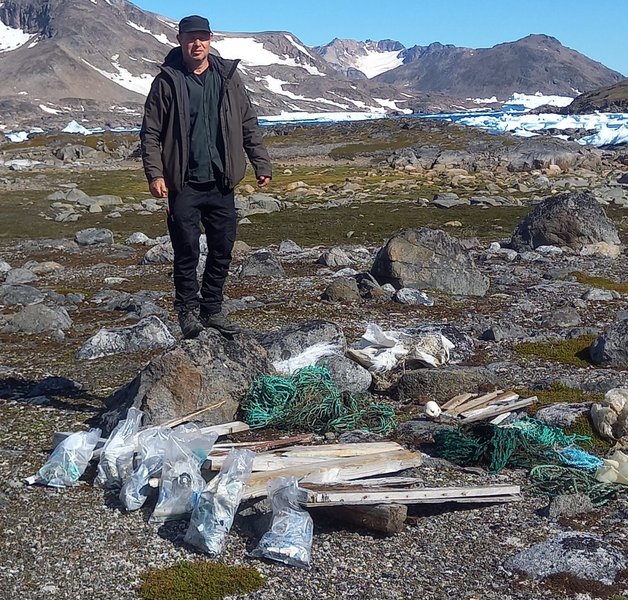
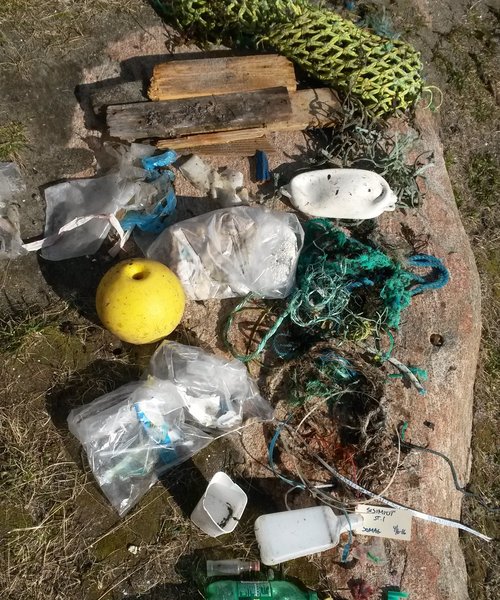
The method follows internationally recognised protocols from OSPAR, the EU and AMAP. Over 200 categories of litter are recorded in each survey, making it possible to identify sources, trends and specific problem areas. Data is reported regularly to OSPAR's database for beach litter monitoring in the North Atlantic (https://beachlitter.ospar.org/) and is included in international analyses of marine litter.
The beaches have been carefully selected based on their physical characteristics and location, so that they reflect litter transported in from the sea and are not affected by local sources such as towns, ports or landfills. In this way, data can be used both for trend analyses and for comparison with other regions in the Arctic and North Atlantic.
A new and important element of SUMAG6 is the establishment of a time series for marine litter on beaches in the Faroe Islands – an area for which only limited historical data from 2002–2004 has been available until now. The Faroe Islands are strategically located in the North Atlantic current and transport pattern, and data from here is expected to be relevant for AMAP and OSPAR's future assessments.
In collaboration with Umhvørvisstovan (US), 2–3 reference coasts will be selected, where monitoring will commence in 2025. The launch will begin with a practical workshop, where both Faroese and Danish/Greenlandic professionals will review methodology, data reporting and quality assurance. The ambition is to ensure harmonised and long-term monitoring efforts.
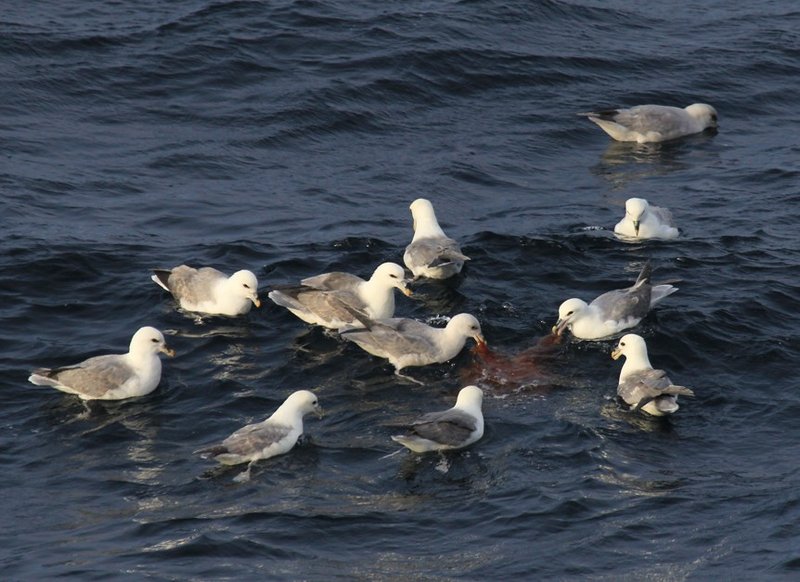
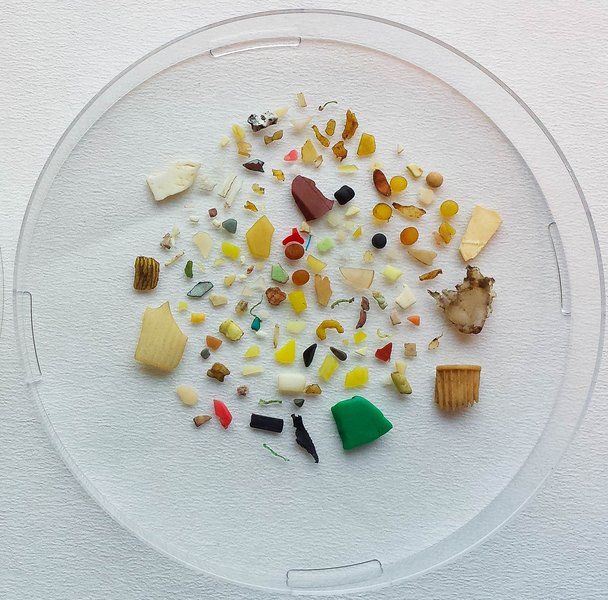
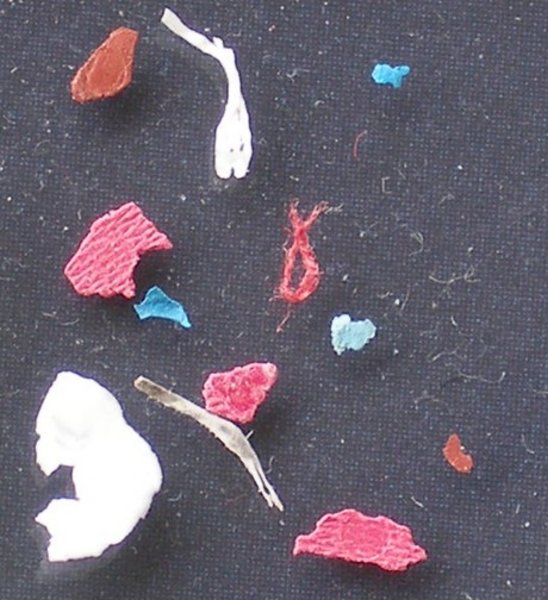
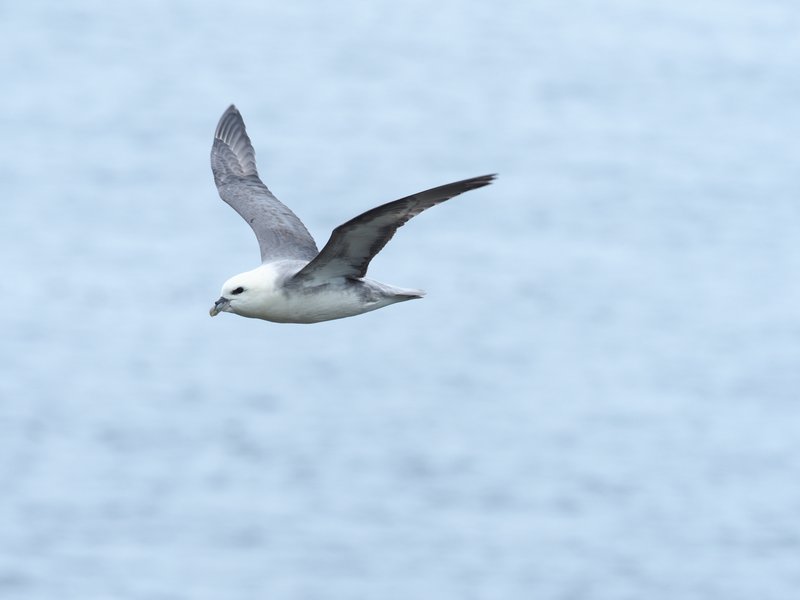
The fulmar is a seabird that forages over long distances in the open sea. It only stays on land during the breeding season. It primarily searches for food at the sea surface, which means it also risks ingesting pieces of plastic. In most cases, this floating plastic consists of the polymers polyethylene, polypropylene and polystyrene, which together typically account for >90% of the plastic from the fulmars we have analysed.
The fulmar is a key indicator species in the monitoring of marine litter in both the North Atlantic and Arctic marine environments. The amount of plastic in birds' stomach contents is used internationally to assess whether the marine environment is in a satisfactory environmental condition (GES criteria in the EU and EcoQO indicator in OSPAR).

![[Translate to English:] Figur miljøindikatorer](/fileadmin/_processed_/6/b/csm_FigurMiljoeindikatorer_2e3ab697ef.jpg "[Translate to English:] Figur miljøindikatorer")
![[Translate to English:] Kort over undersøgelsesområder](/fileadmin/_processed_/a/0/csm_StationskortSUMAG_6d81632b9a.png "[Translate to English:] Kort over undersøgelsesområder")