Every winter, more than three million seabirds depend on Danish waters for food, shelter, and safe passage. These waters form one of the most important wintering areas for seabirds in Europe, supporting species such as auks, kittiwakes, fulmars, and gannets. Yet many of these species are in decline. Understanding why—and what can be done about it—has never been more urgent.
Seabirds Under Pressure (SUPRE) is a major new research and citizen-science project running from 2025–2028. The project aims to uncover how a range of environmental pressures affects seabirds in Danish marine areas and to build a national framework for systematic monitoring of beached birds. SUPRE is a partnership between Aarhus University, BirdLife Denmark (DOF), KIMO Denmark, and a broad network of volunteers, supported by the VELUX Foundation. Norwegian partners from NINA and NIBIO will also be involved in the studies on seabird genetics
By combining scientific research, citizen science, and close collaboration with stakeholders, SUPRE seeks to improve our understanding of the threats facing seabirds—and to identify solutions that help protect both seabirds and the wider marine environment.
Seabirds are highly sensitive to changes in the marine environment. They respond quickly to shifts in food availability, weather, and pollution, making them important indicators of ocean health. For this reason, seabirds play a central role in the EU Marine Strategy Framework Directive and in regional sea conventions such as OSPAR and HELCOM.
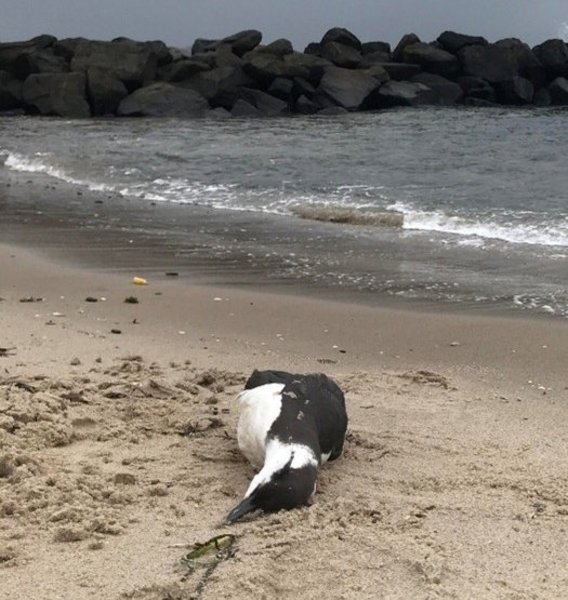
However, many seabird populations in Danish waters show long-term declines. Several species were hit hard by the 2022 outbreak of highly pathogenic avian influenza, which caused mass mortality across the North Atlantic. At the same time, birds face mounting pressures from:
For species that forage in the open water column—such as guillemots, razorbills, gannets, and fulmars—these pressures can interact in complex ways. Yet these species remain understudied. SUPRE aims to fill this knowledge gap.
A cornerstone of SUPRE is the establishment of a nationwide, citizen science-based programme for systematic beached bird surveys. Such surveys have been used elsewhere in Europe for decades, providing crucial insights into seabird mortality, pollution events, and long-term trends.
In Denmark, however, no coordinated system exists—until now.
SUPRE will work with BirdLife Denmark and local “beach surveyor” teams across the country to:
This new national dataset will contribute to Denmark’s marine nature assessments, support international reporting obligations, and provide an early-warning system for emerging threats.
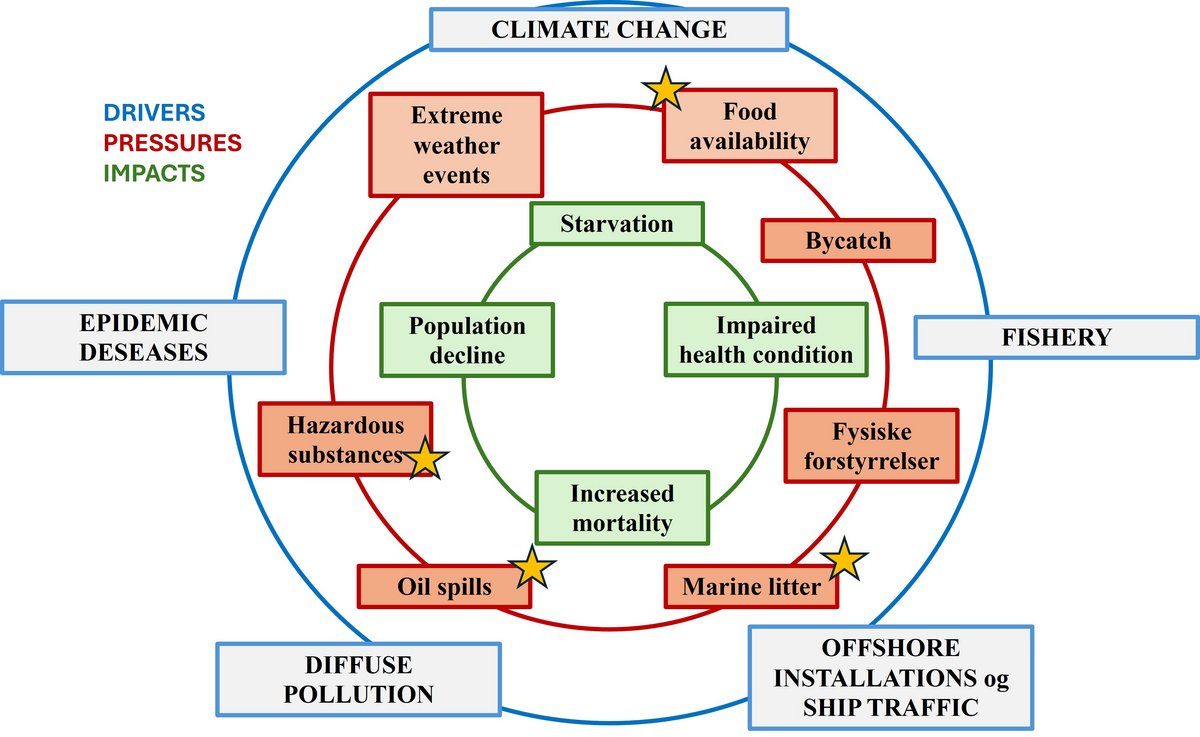
Figure 1: Important drivers and pressure factors posing a risk to seabirds in Danish waters, where ∗ indicates pressure factors in focus with the main research questions in this project.
The challenges facing seabirds in Danish waters reflect broader global issues: climate change, biodiversity decline, ocean pollution, and the need for sustainable marine governance. By developing new tools, datasets, and collaborative models, SUPRE contributes directly to international agendas such as:
Improving the health of seabird populations is not only a conservation priority in its own right—it is also key to understanding the state of the marine ecosystem that supports fisheries, tourism and recreation.
By integrating research, citizen science, and stakeholder collaboration, SUPRE will provide the knowledge base needed to protect seabirds in Danish waters. The project will strengthen Denmark’s ability to assess environmental pressures, identify emerging risks, and implement effective solutions.
Ultimately, SUPRE aims to support a future where Danish marine ecosystems are healthier and more resilient—benefiting seabirds, biodiversity, and society alike.
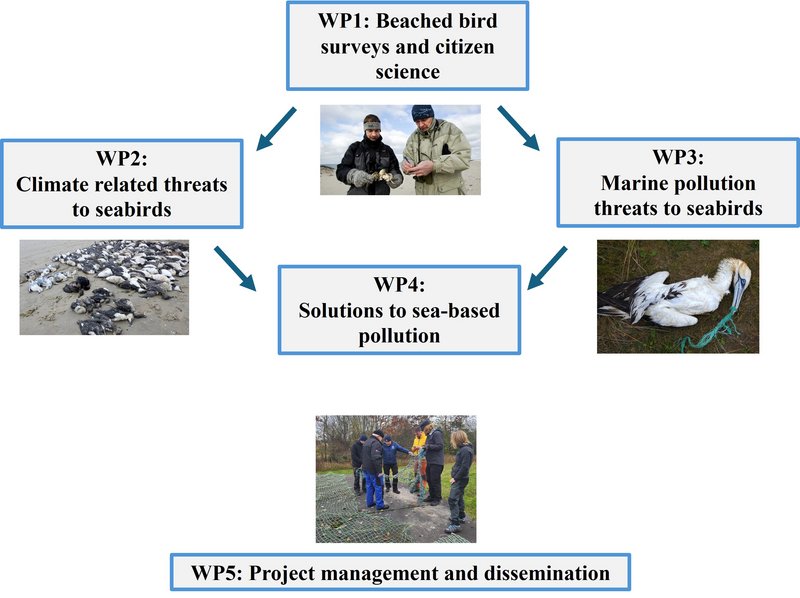
To address the diverse pressures on seabirds, SUPRE brings together five interconnected areas of work:
Climate change is reshaping marine ecosystems, influencing prey availability, oceanographic conditions, and extreme weather events. SUPRE will analyse:
Advances in population genetics will make it possible to trace individual birds back to breeding colonies, helping determine how birds from different regions are affected by pressures in Danish waters.
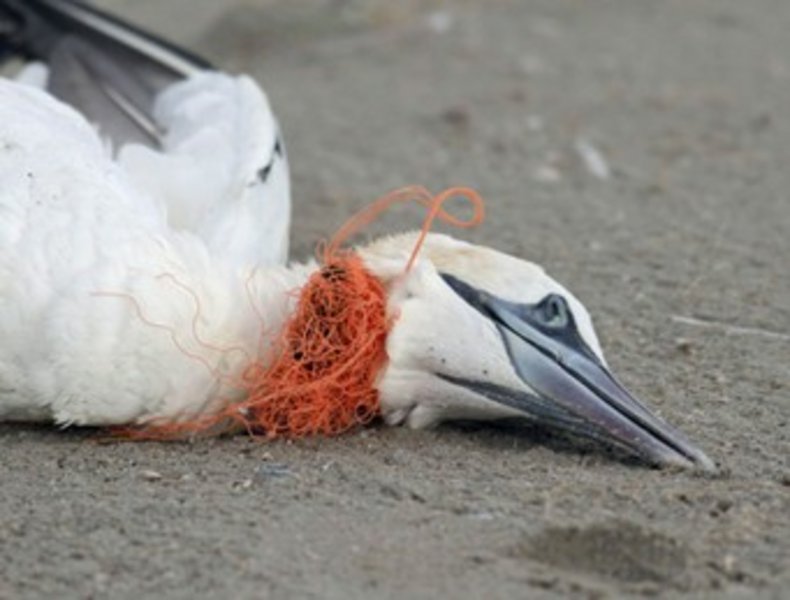
Seabirds are among the marine organisms most affected by pollution. SUPRE will investigate:
These findings will contribute to environmental assessments of chemical and litter pollution in Danish waters.
Marine litter does not appear by accident. Much derives from offshore operations and fisheries. SUPRE will work with industry stakeholders to:
The aim is not only to understand the problem, but to reduce it at its source.
SUPRE places strong emphasis on dialogue and dissemination. The project will engage:
Through workshops, reports, field activities, and outreach campaigns, SUPRE will build awareness of the pressures facing seabirds and highlight the broader societal value of a clean and healthy ocean.