NAT-AGRI is an interdisciplinary project aimed at investigating how nature-based solutions (NBS) can be implemented in mosaics on Danish agricultural land to improve both the quantity and quality of biodiversity in Denmark, whilst simultaneously increasing the provision of ecosystem services (ES) from agricultural land, with a focus on the beneficial effects of implementing hedgerows, riparian zones, ponds and wetlands.
The NAT-AGRI project also examines how the implementation of NBS can reduce greenhouse gas emissions, increase carbon sequestration, and reduce soil- and nutrient loss to downstream areas. Ultimately, this interdisciplinary initiative is to result in an opportunity map which can be used to guide future land-use management to assist Denmark in achieving its climate goals, enhance biodiversity, and strengthen the landscape’s own resilience in a changing climate.
Approximately 80% of Europe’s habitats are currently degraded due to human activity. This poses a serious threat to the global economy, as more than half of the global GDP depends on ES, and further degradation or loss of habitats may therefore have catastrophic consequences. In Denmark, the Green Tripartite Agreement has been established to improve this situation; however, since food production remains a top priority, the majority of the Danish landscape will continue to consist of agricultural land. It is therefore highly relevant to investigate how biodiversity and ES provision within and from agricultural landscapes can be enhanced. In countries such as Norway and Sweden, NBS are widely applied, but in Denmark the potential of NBS to address societal challenges in ways that also benefit nature is still rarely utilized.
NAT-AGRI focuses in particular on how terrestrial and freshwater NBS can affect ES positively. The project utilizes amongst other techniques: Area surveillance with unmanned aerial vehicles, acoustic monitoring, as well as eDNA-analyses to investigate the effects of hedgerows, riparian zones, ponds and wetlands.
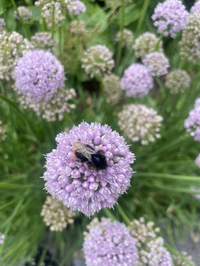
Pollinators such as bees and hoverflies are vital for biodiversity, food production, and healthy ecosystems. While conservation efforts often focus on flowers and terrestrial habitats, the role of freshwater habitats such as ponds, wetlands, and streams remains largely overlooked.
POLLENET asks a simple yet surprisingly unexplored question: How do freshwater habitats support pollinator diversity and health?
Using environmental genomics, environmental DNA (eDNA), ecological field surveys, and innovative behavioural experiments, POLLENET will investigate how freshwater ecosystems influence pollinator diversity, nutrition, microbiomes, immune function, and resilience. The project will explore whether aquatic resources, including microalgae and beneficial microbes, provide previously overlooked benefits that help pollinators survive and thrive.
By uncovering the hidden connections between freshwater and terrestrial ecosystems, POLLENET will generate new knowledge to guide pollinator conservation, inform landscape management, and help build more resilient ecosystems in the face of climate change.