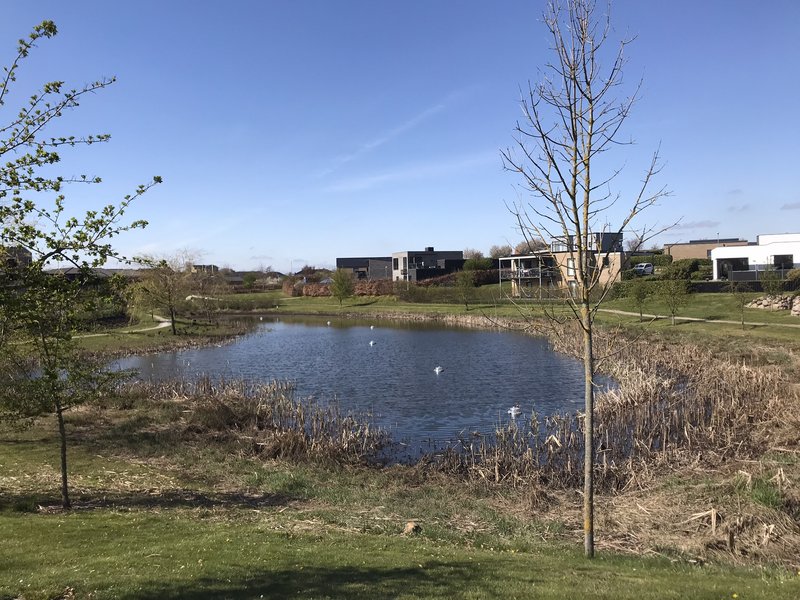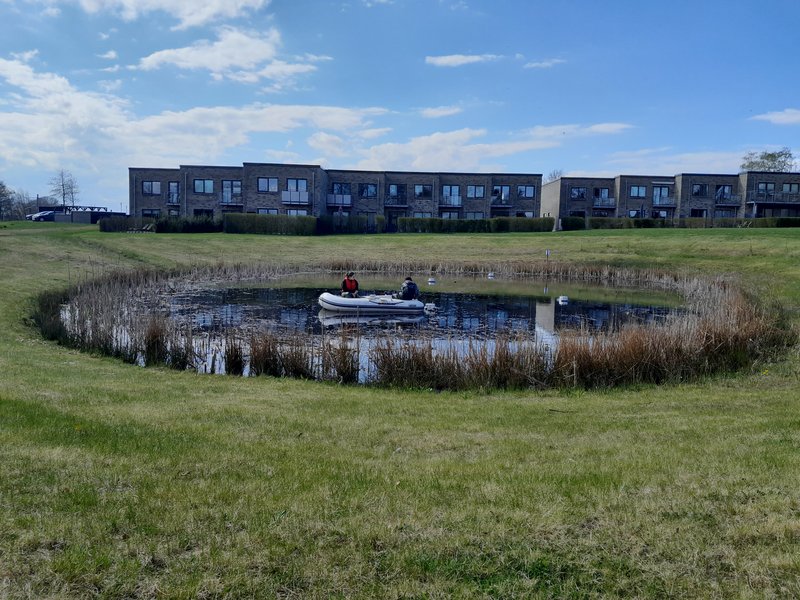
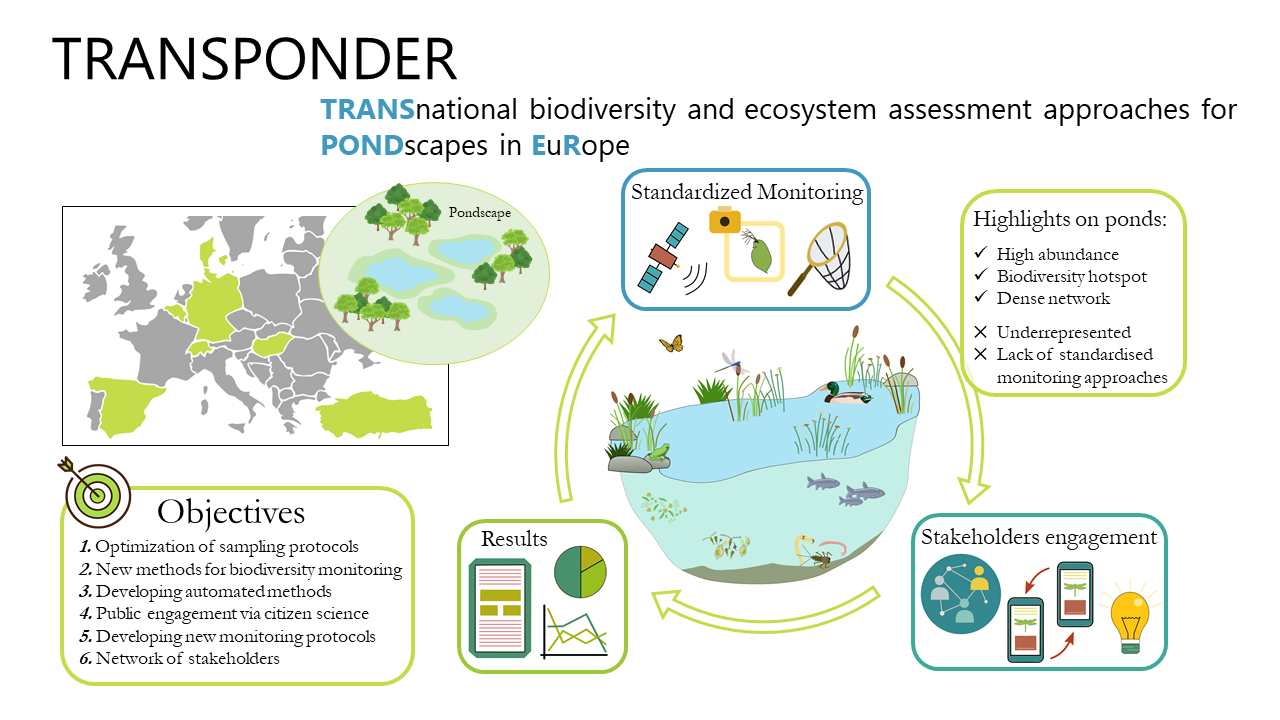
TRANSPONDER will combine existing data across a range of countries with new data collection to develop methods and protocols for biodiversity and ecosystem monitoring of ponds and pondscapes that:
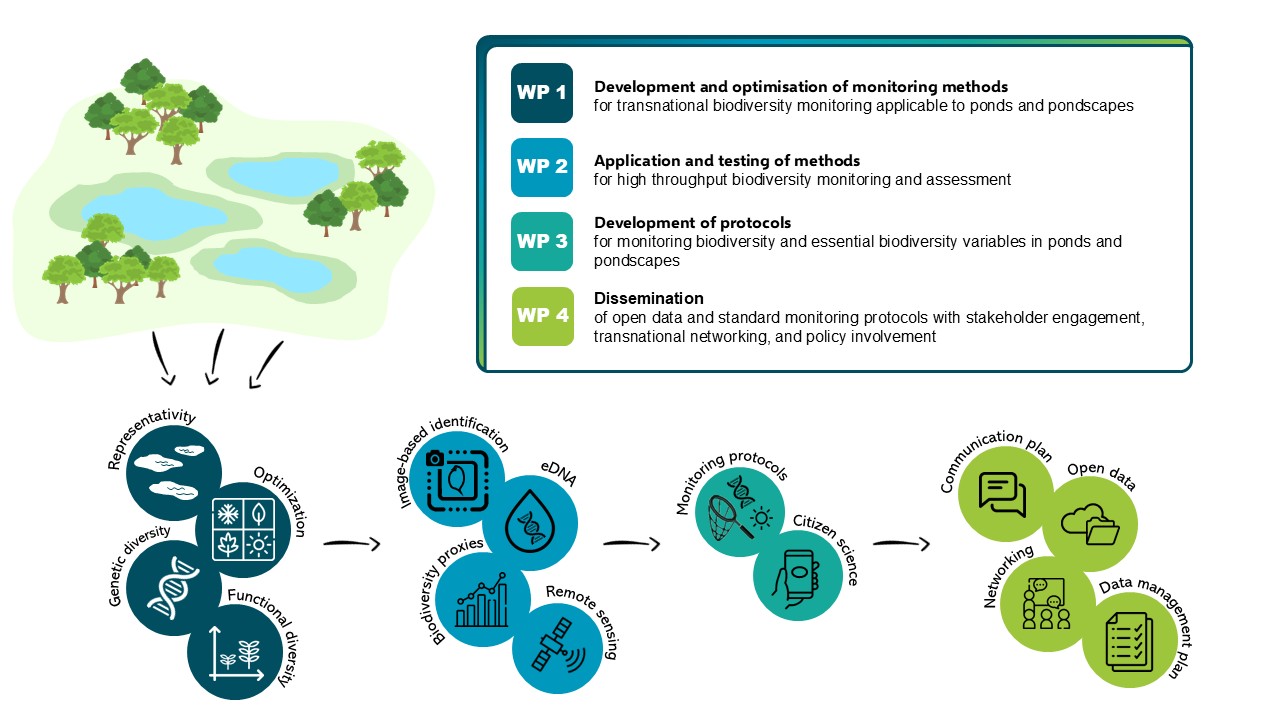
TRANSPONDER will develop and assess methods allowing efficient biodiversity assessment of ponds. The project will combine existing data with new data to assess the representativeness of a few ponds of the wider pondscape in terms of how they reflect the broader biodiversity. Optimisation methods and sampling protocols to assess taxonomic, genetic and functional diversity will be developed and applied. These will include automated identification systems using artificial intelligence, eDNA, and community metabarcoding.
The project will also explore methods for upscaling biodiversity assessment proxies to the landscape level and the use of remote sensing approaches to track changes in pond hydrology and essential biodiversity variables (EBVs) at a large scale.
Finally, we will engage with different stakeholder groups to: