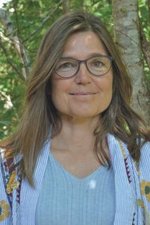
I am a marine biologist specialising in the ecology and sustainable management of coastal zone vegetation, particularly seagrass meadows (including our native eelgrass), habitat-forming macroalgae and, more recently, salt marshes. In recent years, my colleagues and I have focused on carbon and nutrient fluxes and retention in these habitats and the extent to which protection and restoration can enhance their ‘blue carbon’ potential and contribute to climate mitigation. At the same time, these habitats support biodiversity, strengthen coastal protection and act as nutrient sinks, among other benefits. Our work thus addresses the role of coastal vegetation as a nature-based solution – or rather, a nature-based contribution – to mitigating the interconnected biodiversity, climate, and pollution crises, which also require significant reductions in their root causes.

I am a freshwater ecologist who has worked with stream and river biodiversity in relation to stress factors and restoration measures for the past 10+ years. I am dedicated to producing knowledge and developing tools for the sustainable use of freshwater and quantifying the freshwater needs of biodiversity.
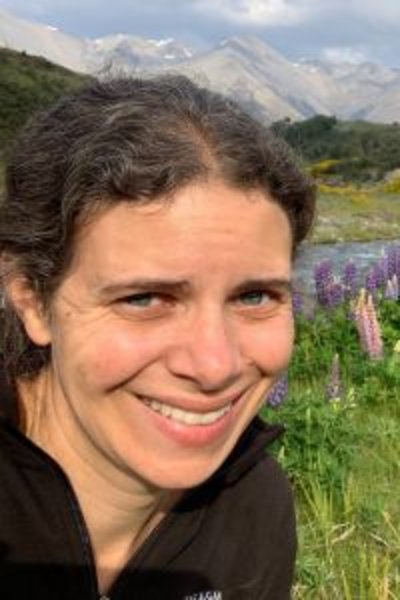
I am a hydrological modeller with nearly 20 years of experience in catchment modelling using the Soil and Water Assessment Tool (SWAT/SWAT+). Catchment-scale models are essential tools for the strategic placement of nature-based solutions (NBS) in the landscape and for assessing their effects on hydrology and nutrient transport at larger scales. In recent years, I have developed a strong interest in using and improving SWAT+ for NBS simulations.
I am a freshwater ecologist working with lake and pond biodiversity in relation to land use changes and climate. I am particularly interested in how to restore freshwater ecosystems to benefit biodiversity across various scales and promote beneficial ecosystem services in light of the increasing threats from climate change.
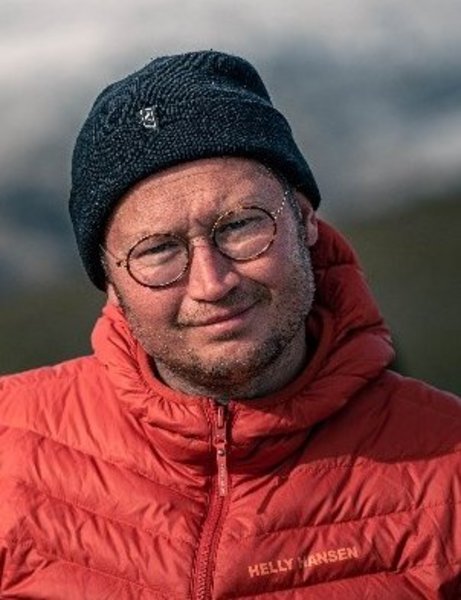
I am an ecosystem researcher focusing on biogeochemical processes in terrestrial rewilding projects. Most of my research takes place in nature restoration areas, often involving the reintroduction of large herbivores. My main interest lies in the effects that the reestablishment of wild nature has on carbon and nutrient fluxes and storage, as well as the exchange of greenhouse gases with the atmosphere. Nature-based solutions are therefore a recurring theme in my research.
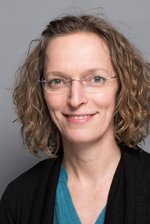
I am a professor in environmental economics. I have worked on the socio-economic opportunities and impacts of nature-based solutions in Denmark, Europe, China and Ghana across various landscapes – from urban areas, coastal and marine environments to forests and agricultural land. I coordinated the EU research project REGREEN and am currently involved in Invest4Nature – a project focused on the economics of nature-based solutions across landscapes; Commit2Green – a project involving eight European cities aiming to integrate nature-based solutions as large-scale responses to climate, environmental and health challenges in urban areas; and finally GoNaturePositive! – a project about transformative societal change towards a nature-positive economy, where nature-based solutions play a central role in restoring nature and the ecosystem services we depend on and benefit from.
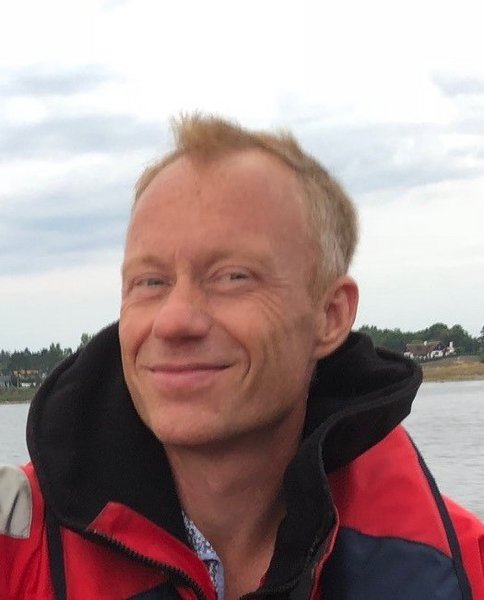
I have more than 27 years of experience in monitoring and studying species, habitats and water quality in coastal marine areas. My expertise is based on more than 1,000 dives using video and photo documentation, eDNA techniques, remote sensing and development of automated measurements. As a professional diver, I have participated in the annual biodiversity mapping of stone reefs in Danish waters since 2011. My knowledge of invasive marine species began with my master's thesis, focusing on invasive marine macroalgae. Through experimental studies in the lab, in the field and large-scale analyses, I have gained deep insight into the factors influencing the introduction, spread and impacts of marine invasive species. This knowledge has been applied in a wide range of research and management issues, including studies on the impact of eutrophication and climate change on species, populations, habitats and ecosystems. Based on this expertise, I have developed models for mapping habitats and the distribution of marine – including invasive – species. In 2021, we established the Center for Marine Restoration and we have since contributed to the development of guidelines and GIS-based tools for optimization of seahabitat restoration.
