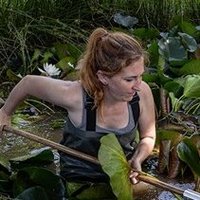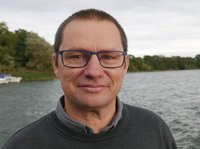
Thomas Davidson has more than 20 years’ experience in freshwater ecological research with a focus on lakes and ponds. His research focuses on understanding how human activity alters aquatic ecosystems at a range of timescales. He has a broad expertise in limnology and ecology including aquatic plants and the fossils they leave in sediments and zooplankton ecology and palaeoecology. In the last decade he has, in collaboration with engineers, both used and developed sensor systems to measure different ecosystem processes, such as greenhouse gas dynamics. His work covers a range of scales from high frequency measurements in lakes and mesocosm systems to using decadal scale long term monitoring data and centennial scale palaeolimnological data to understand lake response to eutrophication.
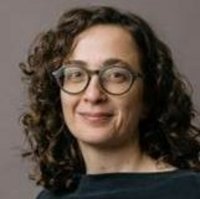
Tuba is a researcher specializing in ecological modelling in both aquatic and terrestrial ecosystems. Her primary motivation in research is to apply ecological theory and statistical/modelling tools to develop robust methodologies and solutions for conservation, management, and biodiversity challenges. Currently, she is working on ensemble lake modelling and greenhouse gas (GHG) emissions from freshwater ecosystems using high-frequency low-cost GHG sensors. In addition to her academic background, she has professional experience beyond academia, where she has contributed to projects in sustainable agriculture, forest management, hydrological management, and biodiversity conservation.
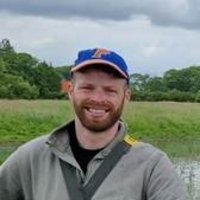
Dennis is a fieldwork and laboratory technician. He has extensive experience in conducting various types of environmental sampling, including (but not limited to) water chemistry sampling, sediment coring, and the collection of zooplankton, phytoplankton, and macroinvertebrate samples. In the laboratory, he primarily works with Gas Chromatography to analyse greenhouse gas samples. His work has mainly focused on field sampling for the Transponder Project.
Lene is a fieldwork and laboratory technician. She has extensive experience in coordinating fieldwork and conducting various types of environmental sampling, including water chemistry sampling, sediment coring, and zooplankton and phytoplankton sample collection. Her work has primarily focused on field sampling and water chemistry analysis for the Transponder Project.
Fieldwork and laboratory technician. She has extensive experience in coordinating fieldwork and conducting various types of environmental sampling, including water chemistry sampling, sediment coring, and zooplankton and phytoplankton sample collection. Her work has primarily focused on field sampling and water chemistry analysis for the Transponder Project.
Johnny is a fieldwork and laboratory technician. He has extensive fieldwork experience, particularly in macroinvertebrate sampling from ponds, lakes, and streams. He also serves as the team's expert in taxonomic identification of macroinvertebrates. His work has primarily focused on identifying the Coleoptera group within the Transponder Project.
Eti is an academic employee, and has a background in lake ecology, with a focus on palaeolimnological analysis of plant macrofossils and sedimentary pigments. Her current work involves field studies in lakes, ponds, and mesocosms, along with data analysis from both regular sampling and high-frequency sensor measurements.
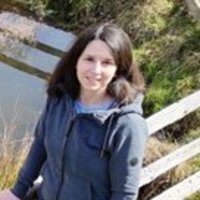
I am an aquatic ecologist interested in biodiversity and the connectivity between habitats in natural and urban landscapes. I combine empirical work with experiments to uncover key ecological drivers across scales and integrate innovative approaches, including environmental DNA and citizen science, to better understand and manage biodiversity in changing landscapes.
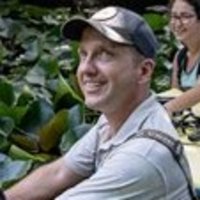
I am a plant ecologist interested in the community ecology and biogeography of aquatic plants. In recent years, I quest the assembly rules of aquatic plants and assess the role of functional traits in aquatic plant species' response to environmental factors. My current research covers the field of species invasion, diversity analyses and functional traits. I maintained my interests in the ecology of orchids and endangered terrestrial plants.
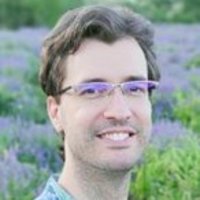
I am an aquatic community ecologist with a background in plankton ecology, trophic interactions, and the ecology of shallow lakes and ponds. My work focuses on understanding how multi-trophic aquatic communities respond to global change with relevance to ecosystem functioning. I am combining observational and experimental approaches.
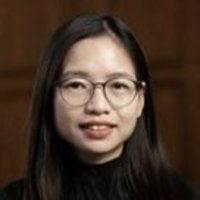
I’m a PhD student in Ecology and Evolutionary Biology at Eötvös Loránd University (ELTE) and a research assistant at the HUN-REN Centre for Ecological Research. My study focuses on the impacts of anthropogenic drivers on freshwater zooplankton communities, combining empirical field data with controlled mesocosm experiments to better understand ecological responses to climate change. In addition, I have a strong background in freshwater zooplankton taxonomy and biodiversity, which supports my work in freshwater ecology.
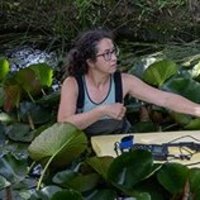
I am an institutional engineer at the HUN-REN Centre for Ecological Research, where I contribute to the Transponder project by coordinating and supporting aquatic ecology research on biodiversity and climate change impacts. My work includes field and laboratory work, project logistics, student supervision, and public science outreach.
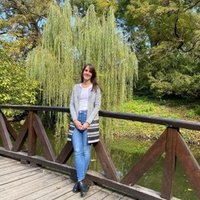
I am a postdoctoral researcher at HUN-REN Centre for Ecological Research. My work focuses on microbial ecology, and I study small aquatic habitats, such as soda pans and ponds. I use novel methods (eDNA, citizen science) to explore the biodiversity of natural and artificial pond habitats. In the Transponder project, I coordinated the data collection and field sampling for the Hungarian team. (by Barbi)
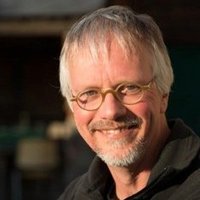
I am a Professor in aquatic ecology and evolutionary biology. My work focuses on pond biodiversity and functioning, metacommunity ecology, evolutionary ecology and eco-evolutionary dynamics mainly using zooplankton and the water flea Daphnia as model system. Over the past 30 years, next to testing general ecological theory and generating insights on how evolutionary and ecological processes co-shape community assembly, my team at KU Leuven has engaged in several projects assessing patterns of diversity and community assembly in ponds in Belgium and internationally, creating a quite extensive dataset and knowledge on which environmental drivers shape pond integrity. Much attention has been paid on global change impacts such as warming, urbanization and intensive agriculture.
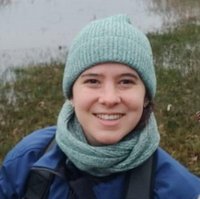
I am a postdoctoral researcher - Aquatic ecologist and evolutionary biologist. My work focuses on how natural communities are structured and function, and how anthropogenic stressors affect their biodiversity, dynamics and evolutionary trajectories. In my research, I often combine biodiversity-oriented community ecology studies with research on genetic adaptation and ecotoxicological research.
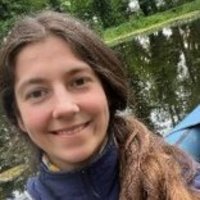
I am a doctoral student. My research focuses on the impact of nutrient concentrations and climate on pond ecosystems and their macrophyte and macroinvertebrate communities.
I am a PhD researcher and my research explores how freshwater communities are assembled and maintained, I focus particularly on how agricultural land use and fish presence alter species composition, trophic interactions, and ecosystem functioning. In addition, I investigate population genetic patterns and adaptive responses in Daphnia, to understand how natural and anthropogenic stressors jointly drive ecological and evolutionary dynamics in aquatic ecosystems.
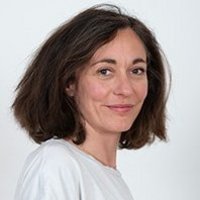
My work covers aquatic plant ecology, conservation biology, and habitat management. I have integrated population genetics and taxonomy into studies of the Rhône hydrosystem and alpine aquatic ecosystems, strengthening my understanding of ecological processes and conservation strategies across scales.
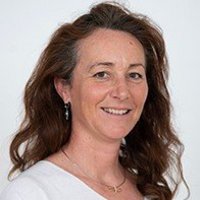
I am a scientific collaborator at HEPIA, with 20 years of field and research experience in macroinvertebrates, odonata, amphibians and freshwater ecosystems. I had collaborated on numerous research projects on ponds biodiversity in Switzerland, France and in Europe. I am contributing to data collection and macroinvertebrate identification.
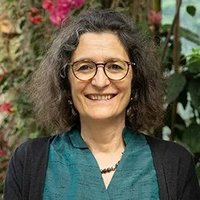
My research topics lie at the intersection between intraspecific diversity and interspecific diversity and focus on species boundaries as reflected and translated by genetic data.
In recent years, I have been particularly interested in the analysis of evolutionary radiations, for theoretical aspects, as well as species conservation, with a more applied focus.
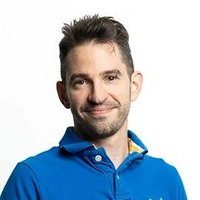
My research focuses on the systematics and evolution of species and understanding the ecological and neutral processes that drive their diversification. In particular, I am interested in the development and use of new bioinformatics tools in the era of next-generation high-throughput genomic sequencing for large-scale phylogeny inference.
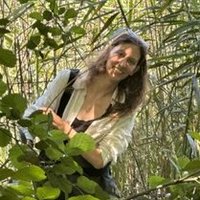
PhD Student in the Écologie et ingénierie des systèmes aquatiques lab (EISA) at HES-SO and the Ecology and Evolution Doctoral School of the University of Geneva (ECOVO).
My research focuses on assessing the intraspecific diversity of P. natans and L. minor in European pondscapes, using next-generation high-throughput genomic sequencing
and novel bioinformatics tools.
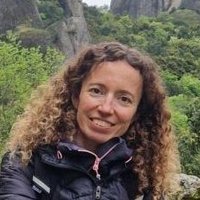
Sandra Brucet: ICREA Research Professor at the University of Vic–Central University of Catalonia (UVic–UCC). Coordinator of the Aquatic Ecology Group and director of Bionexus Foundation. Her research focuses on understanding how aquatic ecosystems and their biodiversity respond to global environmental change. She is also committed to applying ecological knowledge to the conservation and restoration of lentic ecosystems, with particular attention to native species and degraded habitats in the Mediterranean region.
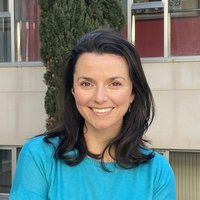
Maria Cuenca: aquatic ecologist specialising in zooplankton communities, trophic interactions, and ecosystem functioning. My research focuses on understanding how human-driven global change impacts species and ecosystems, with a particular emphasis on freshwater environments. I am an enthusiastic and motivated researcher, committed to advancing our understanding of ecosystem resilience to global change, with the ultimate goal of protecting nature from human pressures. Here, a bit more information on my profile: https://mariacuenca-cambronero.github.io
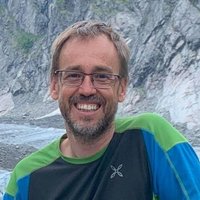
Lluís Benejam: Associate Professor at the University of Vic–Central University of Catalonia (UVic–UCC). His research focuses on freshwater ecology, particularly on fish communities and how anthropogenic pressures and environmental gradients influence their structure and function. He is also interested in the application of ecological indicators for the assessment and management of aquatic ecosystems, and in the conservation and restoration of degraded freshwater habitats.
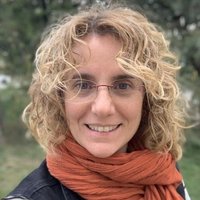
Anna Badosa: Assistant Professor at the University of Vic–Central University of Catalonia (UVic–UCC). I hold a PhD in Aquatic Ecology and Restoration, and my research primarily focuses on lentic ecosystems, examining how environmental factors and anthropogenic pressures influence their ecological status, as well as the taxonomic and size structure of aquatic communities. I am particularly interested in applying this knowledge to the conservation, management, and restoration of degraded ecosystems.
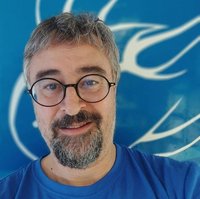
Dani Boix: Associate Professor in the Department of Environmental Sciences and a senior researcher at the Institute of Aquatic Ecology at the University of Girona. My research focuses on the ecology of aquatic communities, mainly in lentic systems and particularly in Mediterranean temporary ponds. My studies primarily examine the effects of biotic and abiotic factors on species composition and community and metacommunity structure in these ecosystems. I also have used my knowledge on the ecology of Mediterranean shallow waters in several applied projects, such as (1) the restoration of waterbodies and creation of new ones, and (2) the comparison of biological quality elements and the development of biological indicators for the assessment of the ecological status.
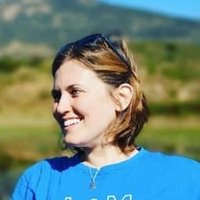
Serena Sgarzi: PhD in Aquatic Ecology from the University of Vic–UCC, she has experience in both marine and freshwater environments. Serena has recently worked as a Teaching Fellow at University College Dublin (UCD), and her research interests focus on the biotic and abiotic factors that influence the size structure of aquatic communities in Mediterranean aquatic ecosystems.
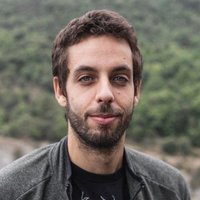
Àlex López: PhD in Ecology and Conservation, with an interest in herpetology and data science. With experience in both marine and terrestrial environments, and specialized in mountain streams and ponds, he aims to apply this knowledge to conservation through a multidisciplinary approach.
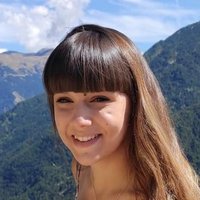
Ester Boix: Fieldwork and laboratory technician for the TRANSPONDER project, with extensive knowledge in aquatic ecology and pond ecosystem characterisation. My work focuses on the taxonomic identification of zooplankton (Cladocera, Copepoda, and Rotifera), as well as macroinvertebrates, to the species level. I have experience in field sampling and laboratory skills, including collection, processing, and data management. In addition, my background includes a Master’s degree in Microbiology.
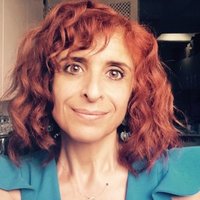
Meryem Beklioğlu is Professor of Shallow Lakes Ecology at Middle East Technical University (METU), chair of the Department of Biological Sciences, and head of the Limnology Laboratory and Ecosystem Research and Implementation Centre (EKOSAM) . Her research focuses on how hydrology, nutrients, and climate change shape the structure and functioning of lake ecosystems. She combines long-term monitoring, paleoecology, and experimental approaches, including extensive use of in-situ mesocosms, to understand ecological mechanisms in Turkish lakes. She has coordinated and led numerous national and international projects (e.g., REFRESH, MARS, NETLAKE, AQUACOSM) and has published widely (75 ISI-indexed papers, h-index 27).
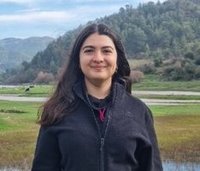
Feride Avcı is a PhD student in Biology department in Middle East Technical university, where she is a part of METU Limnology Laboratory. She studies pond ecosystems, focusing on zooplankton functional diversity, trait-based ecology, and the environmental drivers shaping community assembly and ecosystem functioning.
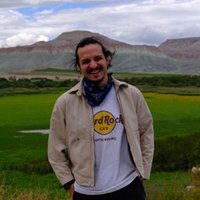
Eren Özcan is a master’s student in the Department of Biological Sciences at Middle East Technical University (METU) and a member of the METU Limnology Laboratory. His research focuses on the paleolimnological history of urban and peri-urban ponds in Ankara. He investigates long-term changes in macrophyte community composition and abundance using sediment cores, with the aim of understanding how past ecological shifts have shaped the present-day ecological quality and functioning of these shallow pond ecosystems.
Zeynep Dilbe Uyar is a master’s student at the METU Limnology Laboratory, working on phytoplankton functional ecology within experimental salinization systems. She applies the Reynolds Functional Group (RFG) framework to both FlowCam and microscopy datasets to assess FlowCam’s ability to accurately represent functional community patterns and their ecological responses under changing salinity.