
New Special Issue Highlights Rapid and Irreversible Changes in the Arctic
Newly published Special Issue in Frontiers in Environmental Science, where experts from Ecoscience and across the Arctic research community synthesize the accelerating changes taking place in the region’s climate and ecosystems.

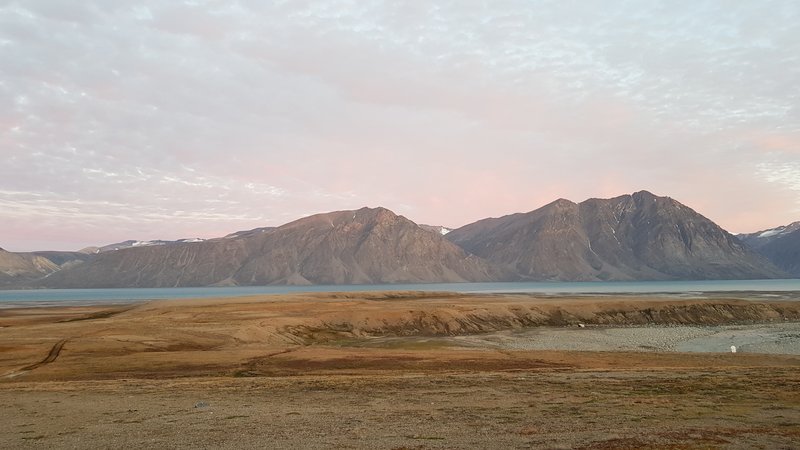
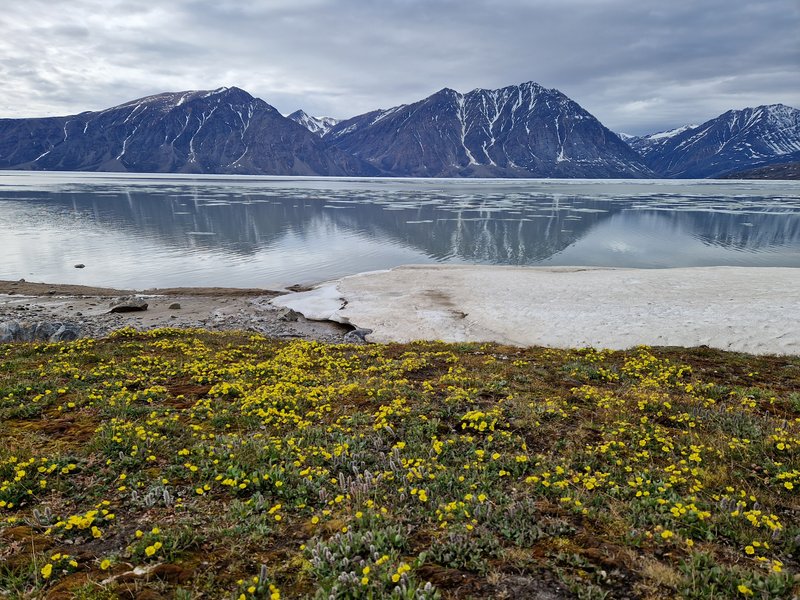
Since 1979, the Arctic has been warming nearly four times faster than the global average. This rapid shift is reshaping every component of the Arctic cryosphere—sea ice, glaciers, ice sheets, snow, permafrost, and freshwater ice. The consequences are profound: ecosystem disruptions, feedback that further accelerate climate change, and growing impacts on the lives, wellbeing, and cultures of Arctic residents.
As part of a joint assessment initiated by the Arctic Council through AMAP and CAFF, this special issue reviewed how current climatic drivers affect Arctic marine, terrestrial, and freshwater ecosystems—and how these changes feed back into the climate system.
Across all papers, a clear picture emerges:
- The pace and scale of environmental change are unprecedented
- Many systems are approaching tipping points that may soon become irreversible
- Impacts on food security, infrastructure, safety, cultural heritage, and human health are intensifying
- Coordinated monitoring, forward-looking planning, and adaptation strategies are urgently needed
While reducing global fossil fuel emissions remains essential, adaptation efforts must accelerate in step with the changes already underway.
The long-term monitoring data from Greenland Ecosystem Monitoring has also contributed to this important body of work. This Special Issue serves as a valuable resource for policymakers, practitioners, and communities working toward resilient Arctic futures.
If you are interested in Arctic climate–ecosystem feedbacks or the future of Arctic communities, explore the full collection.