When green ambitions are turned into reality
At PARK Vidensfestival, researchers from the Department of Ecoscience contributed knowledge on the state of the sea, biodiversity and the difficult priorities involved in the Green Tripartite Agreement.

How do we use the landscape most wisely if we want to improve the aquatic environment, strengthen biodiversity, protect drinking water and create more space for nature?
This question was central when researchers from the Department of Ecoscience took part in PARK Vidensfestival and contributed research-based knowledge to conversations about nature, the environment and future land use.
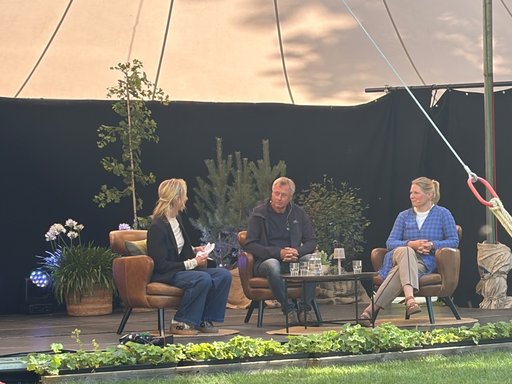
In the session The Green Tripart Agreement – will it make a difference?, Professor Stiig Markager and Senior Researcher Camilla Fløjgaard discussed how the Green Tripartite Agreement can be translated into concrete priorities in the landscape.
Because the Green Tripart Agreement is not only about how many hectares are taken out of agricultural production. It is also about which areas are prioritised, where measures will have the greatest effect, and how different concerns related to the aquatic environment, biodiversity, drinking water and nature can be considered together.
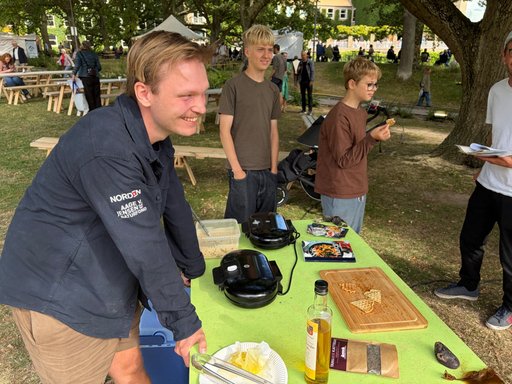
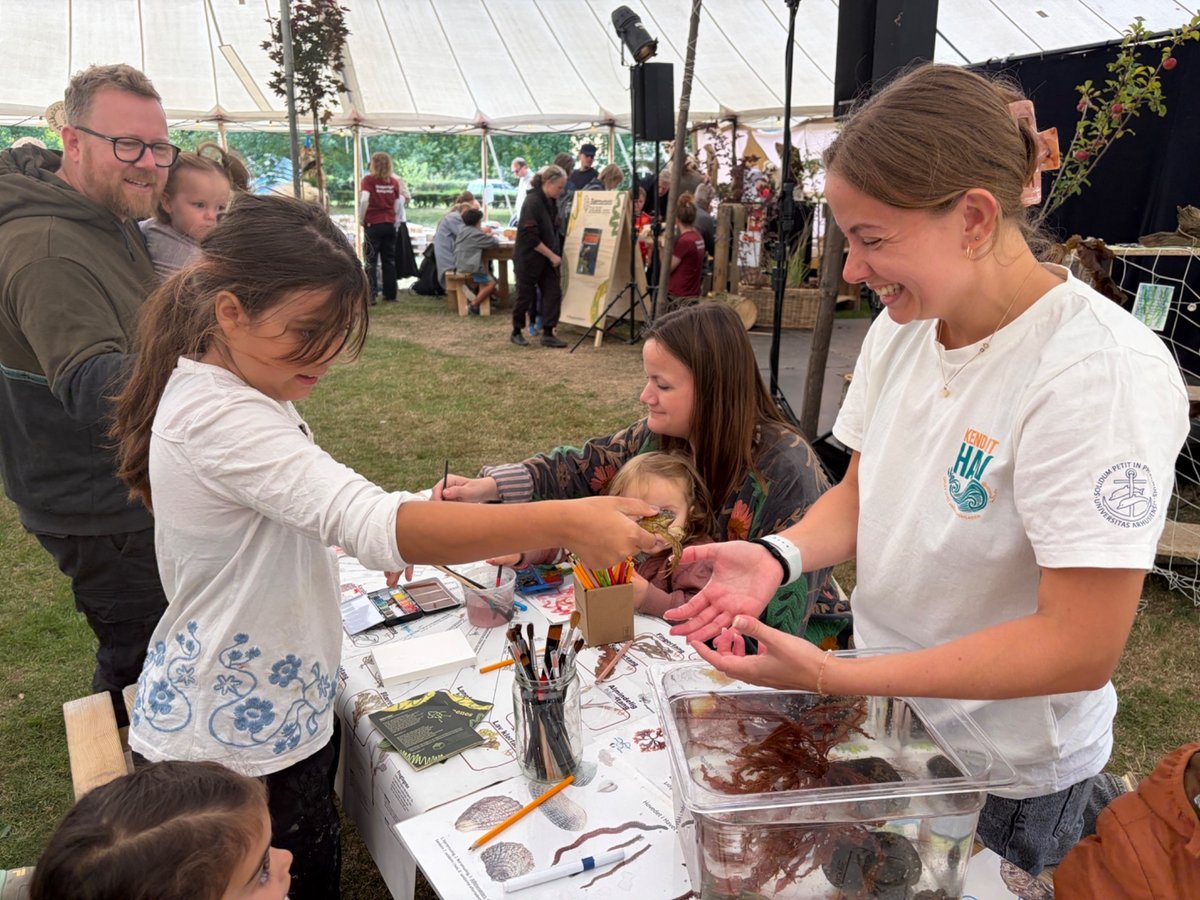
In addition to the debate on the Green Tripart Agreement, ECOS also contributed with a talk on the state of the sea, while Kend Dit Hav invited both children and adults into the world of the ocean through creative and sensory activities. Festival visitors could draw underwater scenes, explore life in aquariums, decorate shells, make seaweed prints and taste seaweed waffles.
Together, the activities reflected the breadth of ECOS’ work: from research-based advice on major societal decisions to curiosity-driven outreach that brings knowledge about nature and the sea closer to children, young people and adults.
PARK Vidensfestival created space for academic insight, public debate and direct meetings between researchers and citizens – in the middle of the landscapes and ecosystems that future nature and environmental initiatives are all about.